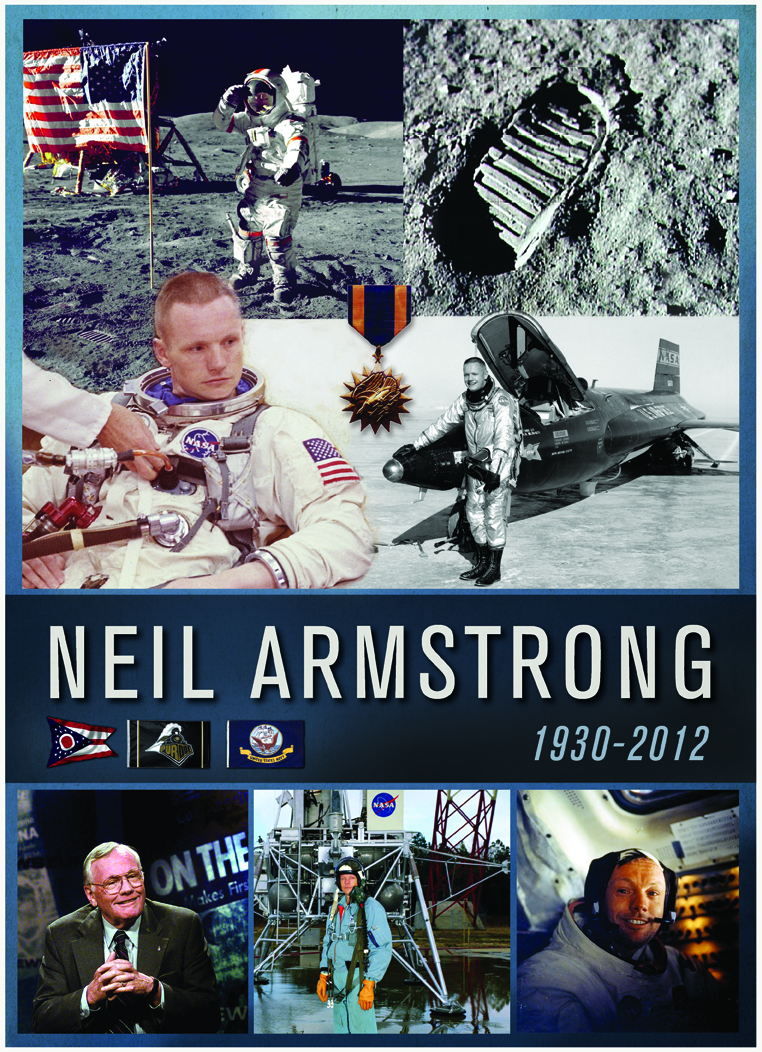
With the passing of one of the greatest members of the greatest generation, it is easy to forget that the average high school student hasn't learned much about what happened in the years after World War II. Neil Armstrong was a pioneer of the last frontier and was also a great example of humility and devotion to one's country and to personal ideals. He is an icon that students
should look up to, but one that many students have either never heard of, or only in passing.
If you're a teacher, and have been teaching since you graduated college in the 1980s then there are about 40 years that you would consider "present day" that the average student knows barely anything about. If you've been teaching since the 90s you forget that students now have no idea what the First-Gulf War (Operation Desert Storm) was, only that George W. Bush "finished what his father started." If you've been teaching since 2000, you're about to find out that students have always lived in a post-9/11 world and believe that every act of violence can be linked to terrorism. So why is this important?
History classes have to add more and more information each year as the history of the world gets longer and longer. It is impossible, even in a high school where four years of history are required to cover this wide range of information. In many high schools U.S. History is covered in a two-year curriculum. The history of the United States, which typically starts with some type of understanding of the groups that lived here already, and the first European settlers in the 17th Century. That means history teachers are being asked to cover over 400 years of information in 360 days. (I'm not a math person, but even I can see that you have to cover more than a years worth of information per day)
Recent history is the first to get cut out, simply because by the time you get there, you've run out of time to teach it. What we're left with is a group of students who, despite having so much information at their fingertips in this technological age, don't know some of the great figures of history that are still living among us. Neil Armstrong is NOT the guy who rides bikes and had cancer. (Yes, I have
actually heard people make that mistake!)
While it is becoming increasingly difficult to fit the copious amounts of information into such a limited time-frame, using tools such as "This Day in History" to start your class, or finding the birthdays of major figures of the past 50 years and having a 5 minute discussion on why they are important is critical to not letting the recent past be forgotten. It is our responsibility to take the legacy of our parents' generation and turn it into the lasting history that our grandchildren will continue to study.
-MB
In Honor of a Great American